Product & UX Strategy
Feb 25, 2025
Designing Trust When Users Are Already Skeptical
Trust is rarely built when everything works perfectly.
It’s built in moments when users already doubt you.
In many products, especially fintech, commerce, or platforms operating at scale, users arrive with skepticism baked in. They have been burned before. A payment failed. Support went silent. An app promised clarity and delivered confusion.
Designing for trust in these contexts is not about reassurance copy or friendly illustrations. It’s about removing uncertainty, step by step.
Where trust quietly breaks
Trust erodes when systems fail silently.
A payment goes through but fulfillment doesn’t.
An action is accepted but nothing happens next.
A user sees a spinner with no explanation.
When products don’t acknowledge these moments, users fill the gaps themselves. Usually with the worst possible assumptions.
Did I lose my money
Is this broken
Do they even know this failed
Designing for honesty, not perfection
Trust does not require flawless systems. It requires visible systems.
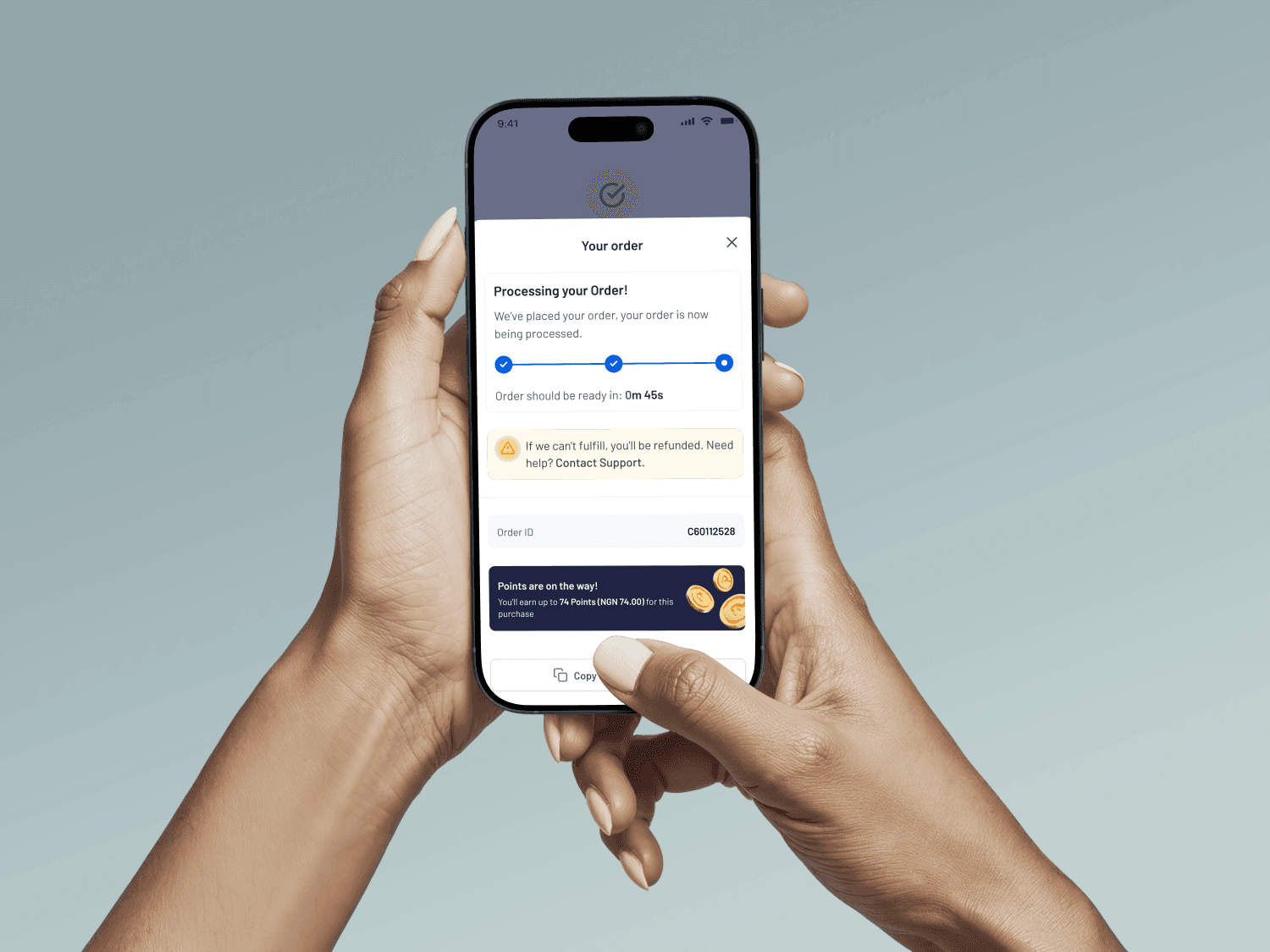
Clear order states.
Explicit failure messages.
Timely updates when things go wrong.
Designing trust means showing users that the product is aware, responsive, and on their side. Even when the answer is “this failed,” that clarity reduces anxiety far more than silence ever could.
Small signals, big impact
Some of the strongest trust signals are subtle.
Showing progress instead of loading.
Explaining next steps instead of redirecting blindly.
Proactively notifying users before they need to ask.
These moments rarely make it into polished demos, but they shape how users feel long after the interaction ends.
Trust is cumulative
Users don’t decide to trust a product once.
They decide repeatedly.
Each recovery flow.
Each error state.
Each moment of transparency.
Designing for trust is not a single feature. It’s a mindset that treats uncertainty as a first-class design problem.